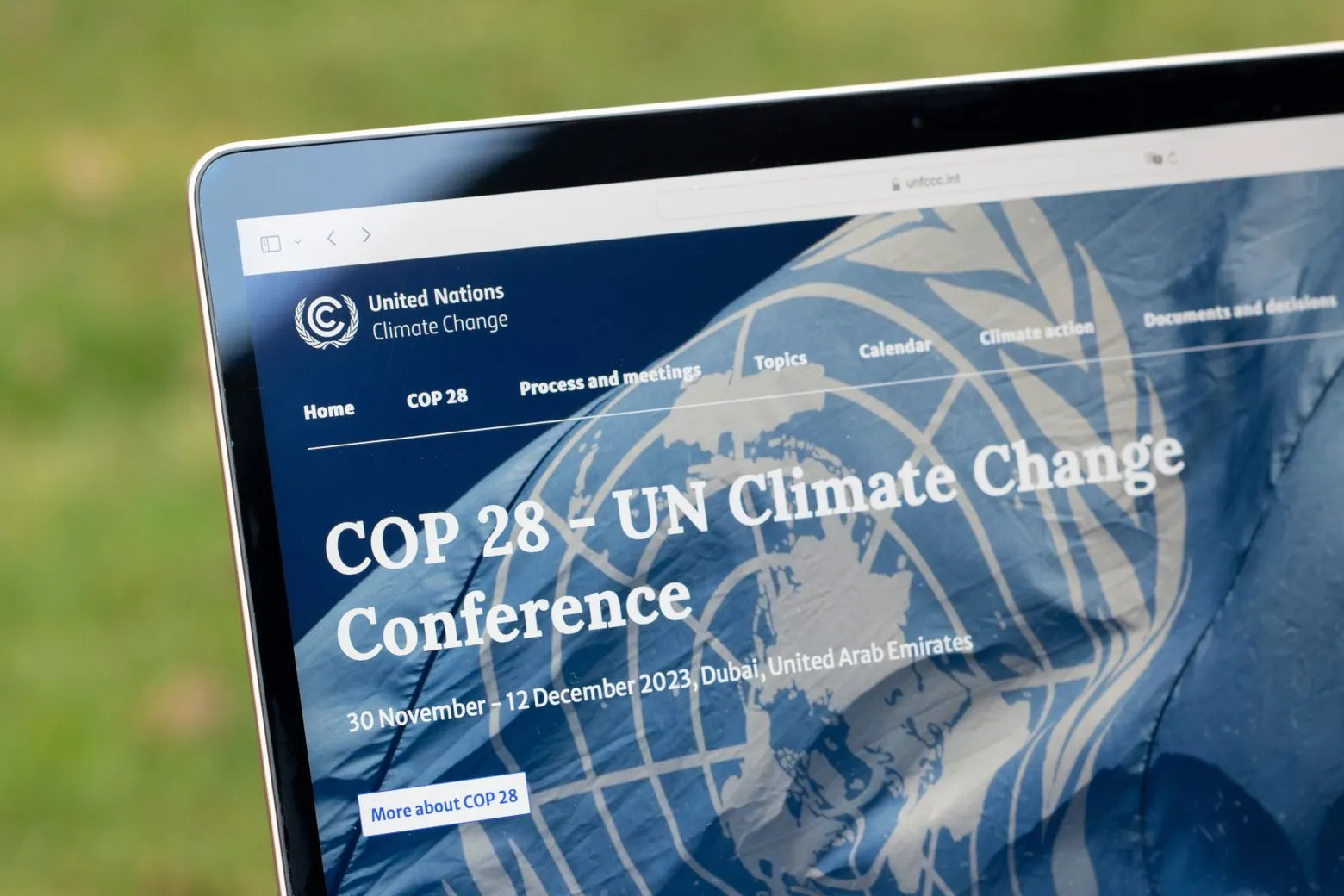
On 30 November 2023, over 100,000 people gathered in Dubai for the largest ever UN global climate summit, COP28. [1] By the time the conference closed, two weeks later, a number of key milestones in the energy transition had been passed. This was thanks to the hard work of over 156 heads of state and government who attended, along with tens of thousands of policy experts, academics, energy company representatives and other stakeholders. [2]
These milestones were also passed in no small measure thanks to the efforts of the COP28 presidency, held by the UAE. Indeed, what emerged became known as the UAE Consensus.
Now, after November 2024 saw the follow up COP29 held in Baku, Azerbaijan, and with 2025 set to see COP30 in Belem, Brazil, that Consensus continues to shape the future direction of the global energy transition.
Key Decisions
Signed up to by 198 countries, [3] the UAE Consensus contains a number of important agreements, but the headline breakthrough was the reference it made to transitioning away from fossil fuels in a just, orderly and equitable manner.
The Consensus also set a specific target of tripling renewables and doubling energy efficiency by 2030, while also encouraging participants to accelerate “ambitious, economy-wide emissions reductions targets”.
Scaling up adaptation finance was also recognised as a crucial need, with the Consensus recognising the role of credit agencies and calling for a major ramping up of concessional and grant financing to combat climate change and its impact. [4]
Other financing included the operationalising of the Loss and Damage Fund, which reached $792 million in commitments by the end of the conference. Also triggered was the Action Agenda, consisting of 11 pledges and declarations. These referred to a range of issues, from food security to decarbonisation of hard-to-abate sectors.
In total, more than $86 billion was mobilised by COP28, including $3.5 billion for the green climate fund, $188 million for the adaptation fund, and a $30 billion private investment fund.
On to Bak
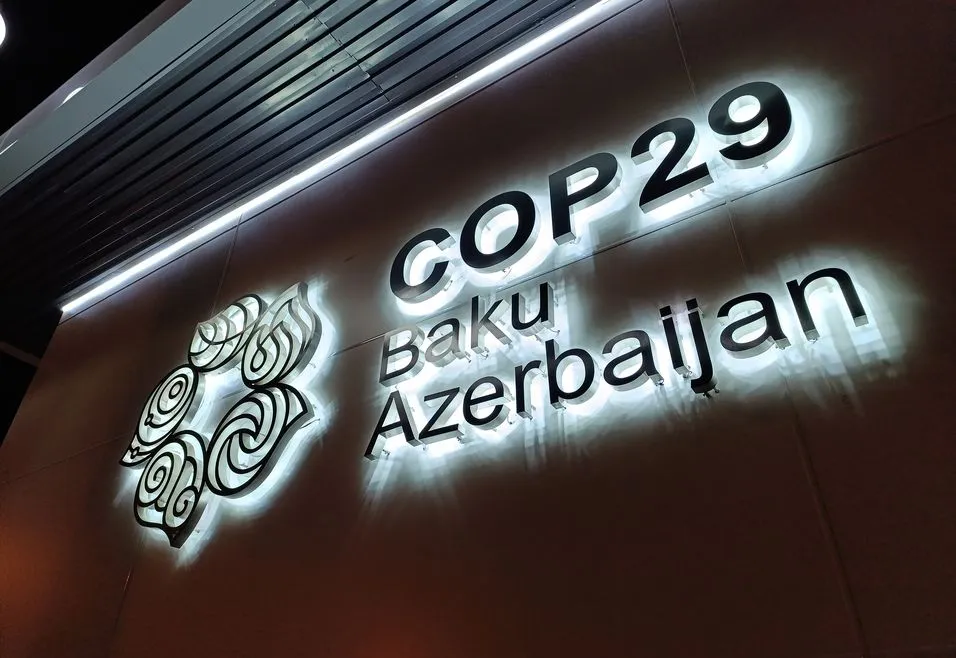
The UAE Consensus therefore set a high standard for COP29, which began in the Azeri capital on November 11, 2024[1] and saw some significant breakthroughs.
Agreement was reached on the full operationalisation of Article 6 of the Paris Agreement on building high integrity carbon markets.[2] Clearer rules on information and restrictions on post-transfer changes to carbon credits, a consistent approach to carbon market pricing and further cross-border cooperation could now unlock around $1 trillion annually in public and private climate financing by 2050.[3]
COP29 also saw a new, $300 billion collective quantified goal (NCQG) set for catalysing funding flows to developing countries. A number of key private investors, including BlackRock, AIA and the IFC, signed a statement of intent to explore blended finance initiatives in Southeast Asia – a region with an estimated $170 billion clean energy investment shortfall.[4]
The conference also saw significant steps taken in building industrial and technological collaboration, such as the Green Digital Action initiative. IBM also unveiled two AI tools for use in urban planning and energy infrastructure in emerging markets.[5] There was also a move to boost judicial collaboration in strengthening mechanisms for addressing climate-related disputes.[6]
[1] https://cop29.az/en/home
[2] https://cop29.az/en/media-hub/news/cop29-achieves-full-operationalisation-of-article-6-of-paris-agreement-unlocks-international-carbon-markets
[3] https://www.ashurst.com/en/insights/key-takeaways-from-cop-29/
[4] Ditto
[5] Ditto
[6] Ditto
From Baku to Belem
While COP30 saw no new agreement on advancing the UAE consensus on fossil-fuel phase out, a new conference is to be held in April 2026 for countries wishing to continue with this approach.
The conference also saw discussions on critical minerals and trade for the first time, along with extensive debate on furthering climate action finance. The Tropical Forests Forever Facility, which aims at sustainable forest management, was also launched with both private and public funding expected.[1]
COP30 also took place in a significantly changed global political landscape, with the US largely absent. Global energy leaders, such as COP28 President Dr Sultan Ahmed Al Jaber, have also talked of the need for “energy addition” going forward, as the world’s demand for power escalates.[2] Artificial Intelligence (AI) is a key driver for that, with this likely to be a major topic of debate at COP31, scheduled for Türkiye in 2026.
Meanwhile, the globe continues to heat up, with the January-August global mean temperature up 1.42oC – just shy of the 1.5oC limit set by the Paris Agreement for 2030.[3]
Much remains to be done, then, with the UAE Consensus continuing its relevancy in the year ahead.
[1] https://www.dlapiper.com/en/insights/publications/2025/12/cop30-is-over-here-s-what-businesses-need-to-know
[2] https://www.energyconnects.com/opinion/features/2025/november/global-energy-ministers-agree-the-world-needs-more-power-not-less/
[3] https://wmo.int/publication-series/state-of-climate-update-cop30

Building on the Consensus
Despite the progress made in furthering the UAE Consensus in Baku, COP30 will face some serious challenges.
The Paris Agreement’s 1.5oC limit on temperature rises by 2030 seems likely to be overshot, while investment flows in climate finance, particularly in developing countries, continue to fall short of targets. COP29 also failed to get agreement on implementing the outcomes of the COP28 Global stocktake, including the phasing out of fossil fuels and the tripling of renewables. [8]
Yet the UAE Consensus continues to set the direction of travel – namely, that there is an urgent need for a major hike in renewables and energy efficiency, a just transition away from fossil fuels and a major boost in investment from both public and private sources. It is for the world at large to collaboratively and cooperatively take the steps now needed to accelerate this journey.