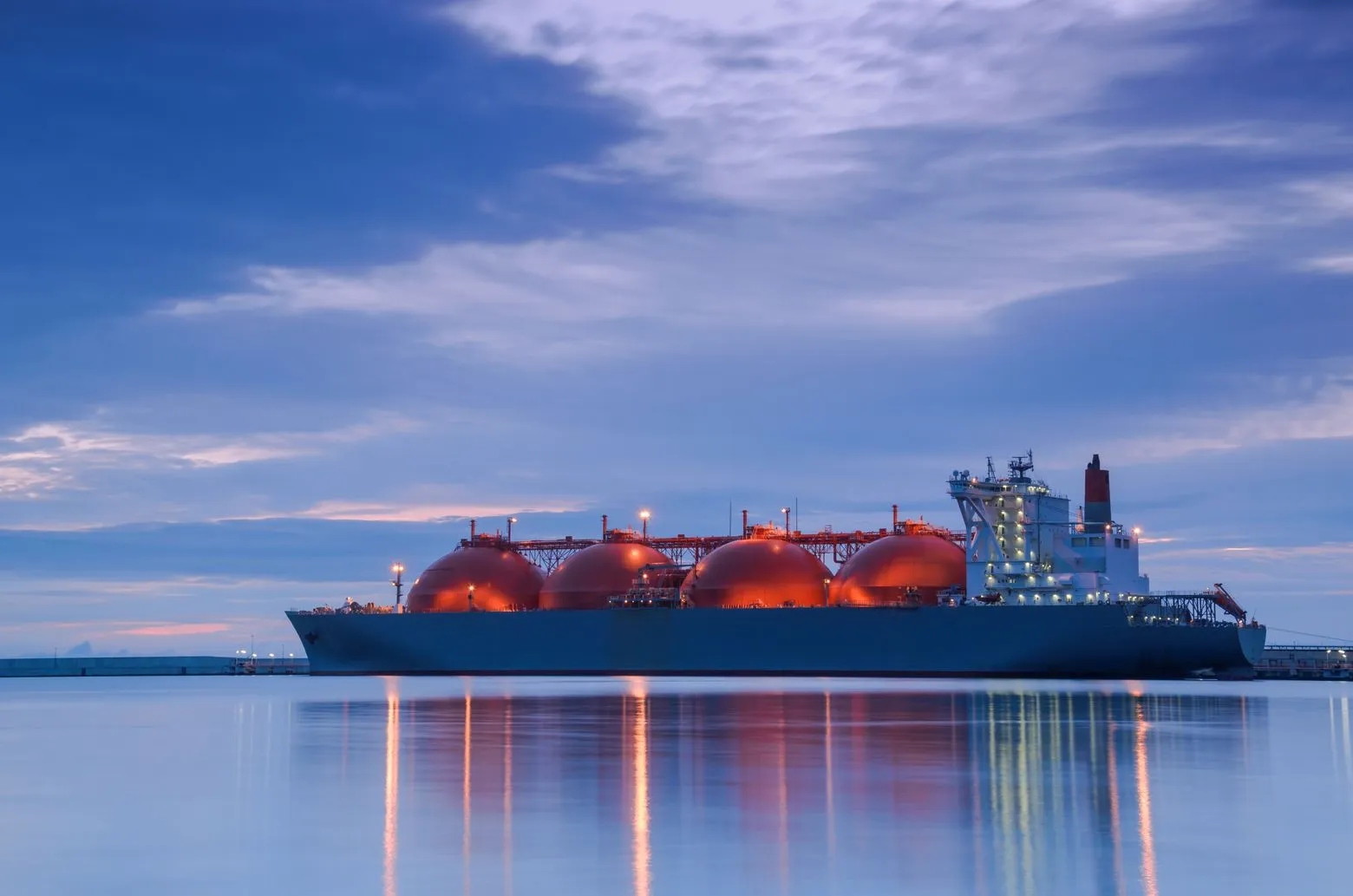
With the UAE a key player in the global maritime trade – some 8% of the world’s entire bunkering capacity lies in the Emirate of Fujairah, for example [1] – the energy transition in this hard-to-abate sector is of crucial importance to the country’s net-zero targeting.
It is also crucial to the global effort at tackling climate change, given that the 80% of world trade is handled by the maritime sector is currently 99% powered by fossil fuels. Indeed, the sector as a whole is currently responsible for some 2.8% of global greenhouse gas emissions (GHGs). [2]
Moving forwards with the sector – and with the UAE’s net zero ambitions – therefore requires a major rethinking of the way vessels, crews, ports and other players and consumers of maritime transport work. In all of these areas, technology plays a crucial role.
Fuelling Alternatives
The first area for a rethink is how the world’s fleets of tankers, break bulk carriers, roll-on, roll-off (ROR) ships and other vessels are powered.
While in future, this will involve building vessels that run on alternative fuels from scratch, given that ships generally have a 25-30 year life span, most of the work now will involve retrofitting existing vessels.
In this, the UAE’s focus on hydrogen as an alternative fuel source is giving the Emirates a major advantage.
The UAE Hydrogen Leadership Roadmap [3] includes plans for adapting bunkering facilities to handle hydrogen as a maritime fuel, as well as other alternatives, such as e-methanol (a combination of captured CO2 and green hydrogen). This technology is already gaining ground, with the number of e-methanol vessels jumping from zero in 2020 to 120 by 2023, according to Maersk, which launched its first e-methanol ship in September 2023. [4]
At the same time, changes in fuel filing and storage, along with workforce training for these new procedures, are being pursued by the UAE’s ports. A joining of the dots between vessels, systems and infrastructure is as important as technological developments in shipboard propulsion itself.
The UAE Maritime Decarbonisation Centre, launched in July 2023 and a partnership between the Ministry of Energy and Industry and world-leading classification society DNV, is also set to focus on new technologies for GHG reduction. [5]
Thinking Ahead
A further technological innovation that has significant applications in the maritime sector is artificial intelligence (AI).
This has the capacity to boost energy efficiency and transparency, optimising vessel routes using data collection and the management and monitoring of fuel usage. AI’s predictive maintenance capabilities can also enhance efficiencies, with digital twin technologies cutting downtime and costs. Meanwhile, AI also has the ability to improve supply chain data management, further increasing energy efficiencies.
In this new technology, the UAE is also already very present. The Emirates’ Office of the Minister of State for AI, the Digital Economy and Remote Work Applications (MADR) provides a dedicated government AI focal point to work with the Ministry of Transportation on developing AI solutions for the maritime sector. The UAE also has its Strategy for Artificial Intelligence 2031, which makes logistics and transportation one if its priority areas for AI development. [6]
There is no one-technology solution for this hard-to-abate sector, but with a series of moving parts working together – from AI to vessel design, to bunkering and crew training – incremental progress can be made even in what is surely one of the toughest areas for the energy transition. The UAE will certainly be doing its part in this steady, yet crucial, work.