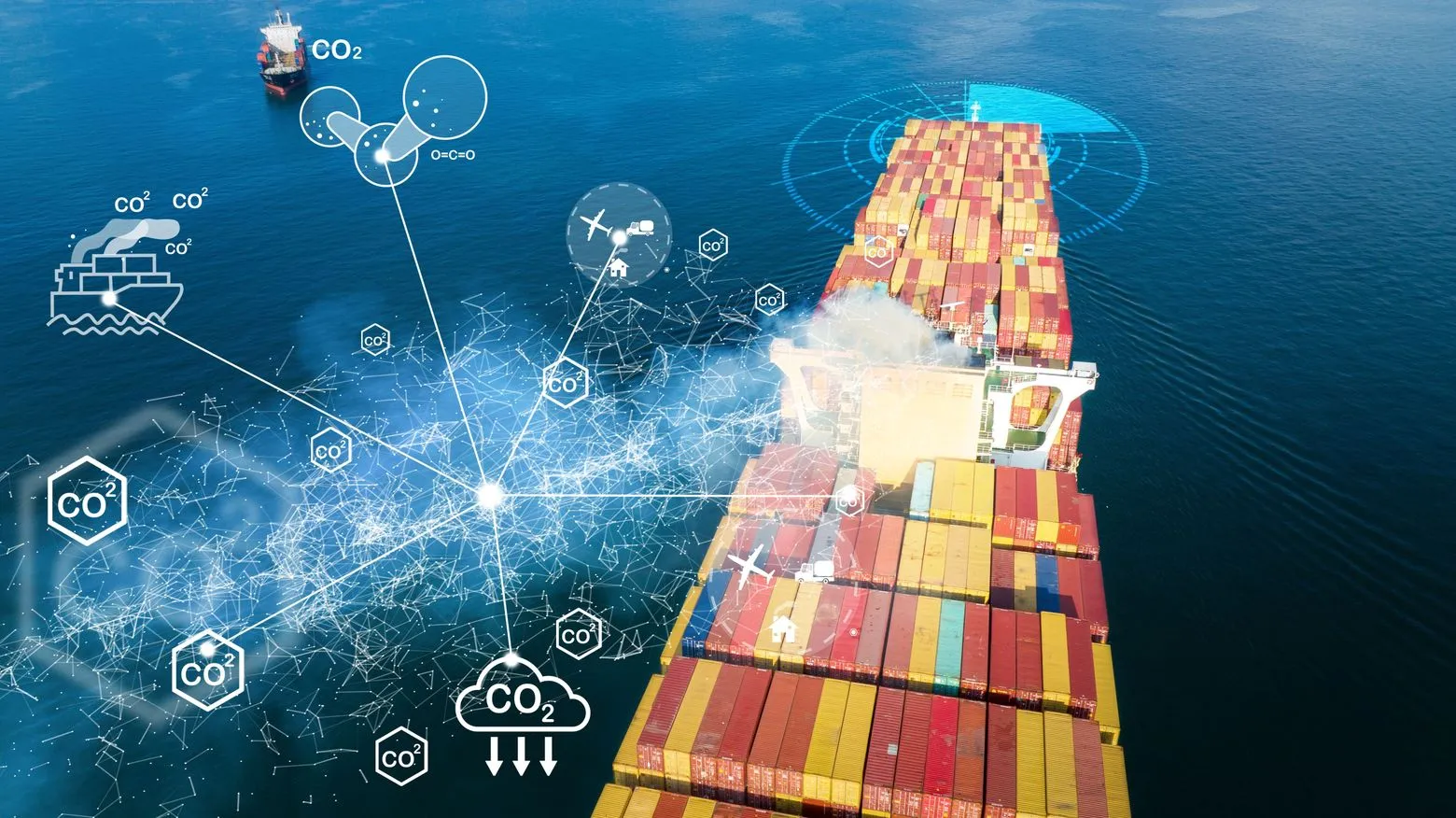
The energy transition has profound implications for the regulation of the maritime industry, which currently occupies a key position in global trade and climate change. This key role has been recognised internationally and in the UAE, with global regulators such as the International Maritime Organisation (IMO) and national bodies such as the UAE Maritime Decarbonisation Centre working hard on a raft of new measures for the industry.
The recent COP29 conference in Baku, Azerbaijan, also saw some important movement on issues affecting the sector’s global contribution to the drive for net zero.
Being Instrumental
The IMO’s global regulations currently include both a climate strategy and a suite of regulatory instruments, all of which also pertain to the UAE, as an IMO member state. [1]
These regulatory instruments include the Energy Efficiency Design Index (EEDI) and the Ship Energy Efficiency Management Plan (SEEMP), which entered into force in 2013 and were the first global greenhouse gas (GHG) emissions reductions regimes ever enforced for an international industry. [2]
In addition, the IMO has implemented the Energy Efficiency Existing Ship Index (EEXI) and the annual Carbon Intensity Indicator (CII) – with its system of ship ratings – since 2023. [3] The IMO also held its 82nd Marine Environment Protection Committee (MEPC) meeting in October 2024 which saw the adoption of a series of “mid-term measures” for GHG reduction, set to be implemented in 2025. [4]
Meanwhile, the UAE Ministry of Energy and Infrastructure (MOEI) launched its Maritime Decarbonisation Centre in July 2023, in partnership with world-leading classification society DNV. [5]
The Centre is to focus on new technology development and information accumulation and dissemination. It will also work with the Minister of State for AI, the Digital Economy and Remote Work Applications (MADR) and within the framework of the UAE Hydrogen Leadership Roadmap in developing a host of technological solutions to the energy efficiency and alternative fuel challenges now faced by the sector (see Section 1). [6]
COP29
It is widely recognised that regulators in this hard-to-abate sector also need to work closely with private sector companies on producing sustainable, collaborative frameworks. A major part of this is establishing a global regulatory system for carbon credit trading and offsetting – a key topic too at the recently-concluded COP29 summit in Baku.
COP29 saw agreement on a global carbon credit and trading framework, while it also saw 50 maritime leaders sign up to the Call to Action – a commitment to increase global adoption of green fuels in the maritime sector to between 5% and 10% of the total by 2030. [7]
The conference also saw the Maritime Decarbonisation Hub launch its Maritime Fuel Supply Dialogues – a framework for further planning of emissions reductions in the industry. It also saw the IMO announce an updated version of its training certification scheme, the STCW Convention, to include training in handling zero-emissions fuels and technologies.
While much remains to be done in terms of regulating the energy transition in the maritime industry – and implementing these new codes and ways of doing business – the maritime sector has made a great deal of progress in a short space of time. The UAE has also made a significant contribution in driving that forward momentum.