Nowadays, developments in renewable energy generation around the world are blurring theonce rigid lines between consumers and producers.
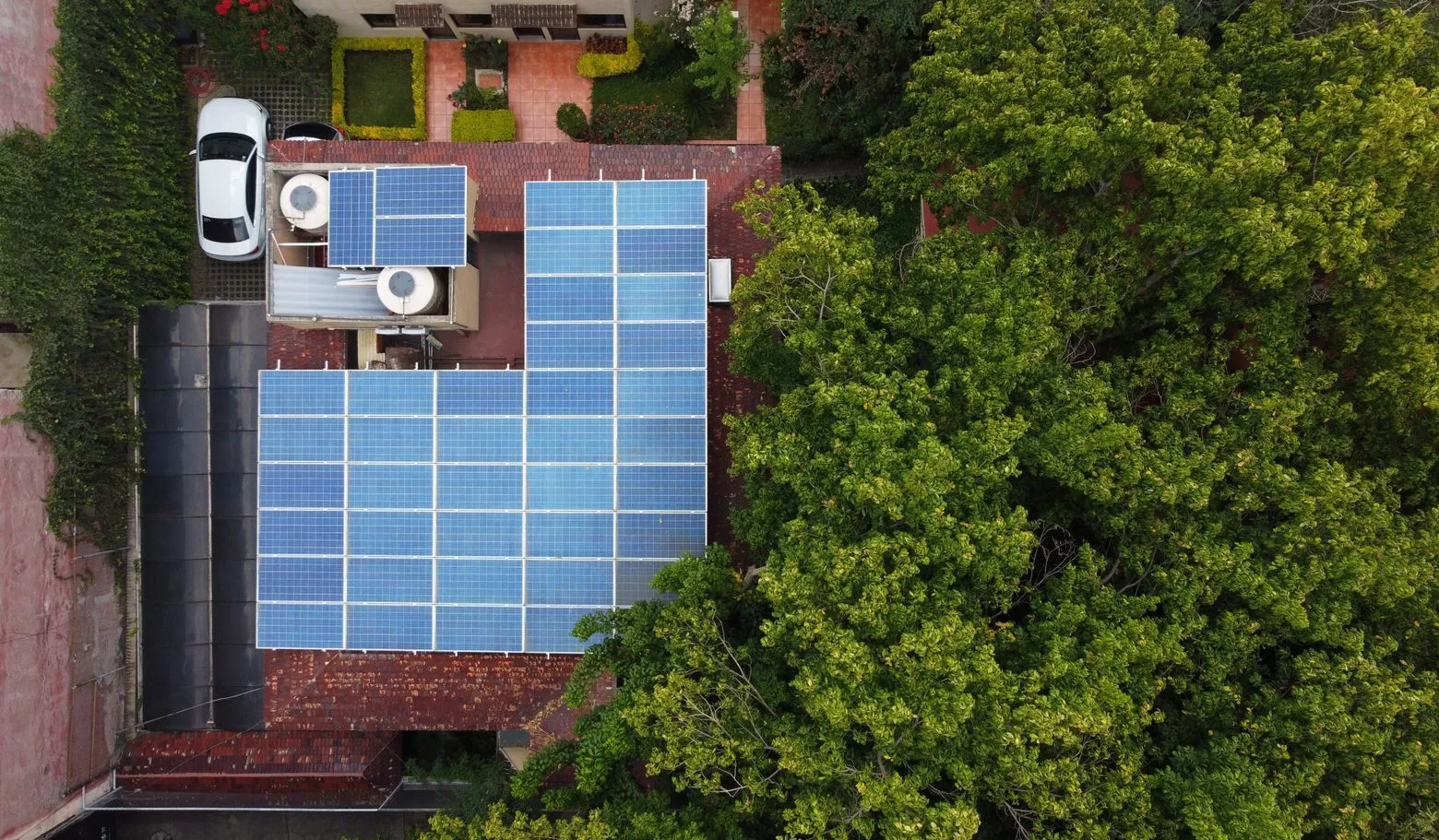
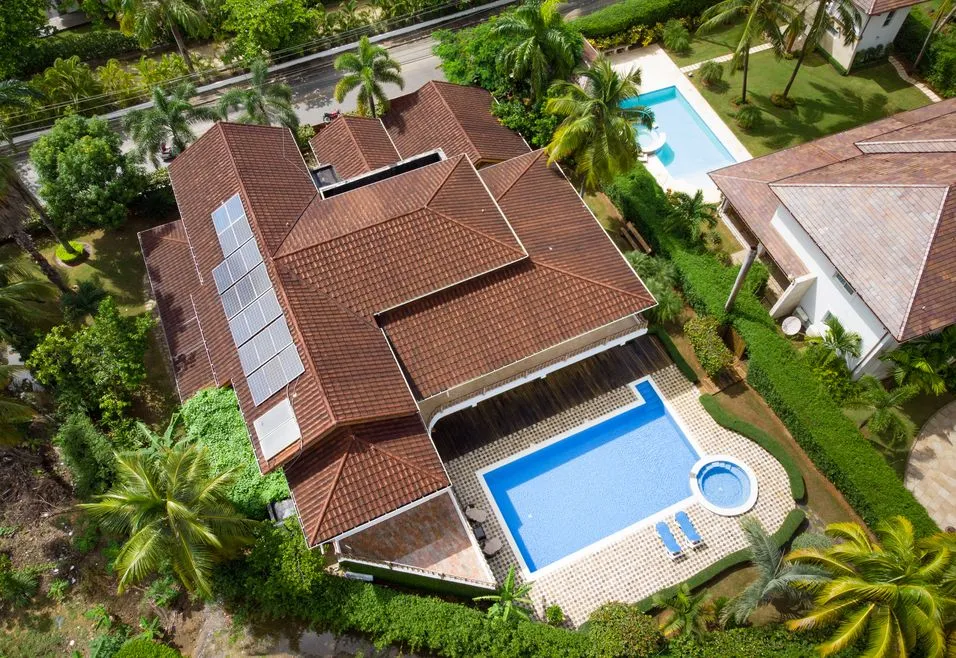
Rising investment in decentralised, or distributed, renewable energy production, underpinned by legislative reforms to facilitate and regulate the segment, have made many rooftops into power stations.
This trend is also impacting the UAE’s energy market, facilitating the rise of a new class – ‘prosumers’.
These are private and small-scale consumers of electricity who through investments in green technology also position themselves as suppliers.
This is also being given official encouragement. The UAE Energy Strategy 2050, initially launched in 2017 and updated mid-2023, identifies decentralised renewable energy sources as a core pillar of both decarbonising the building industry and diversifying the nation’s power generation capabilities. [1] [2]
This strategy, and the codifying of the role of distributed energy resources, was reinforced in legislation passed in November 2022, updating regulations already enacted by individual emirates. [3]
Under the legislation, private individuals and entities with distributed renewable energy generation capacity can, after securing approval from state authorities, link into the domestic energy grid to feed excess power into the system.
Significantly, the legislation allows for those operating in the UAE’s economic, free and investment zones to also act as prosumers, expanding the potential pool of providers. [4]
The increased generational capacity and individual power production this creates is also expected to reduce strain on the UAE’s conventional distribution networks, while significantly lowering the nation’s carbon footprint. [5]
Sector development
Several new distributed energy schemes are currently in place around the country.
Examples include Masdar and the government of Abu Dhabi installing solar photovoltaic (PV) systems on the roofs of 11 government buildings under one scheme, [6] while Miral and Emerge – a Masdar/EDF venture – installed 7 megawatt peak (MWp) of solar PV at the Warner Bros. World Abu Dhabi entertainment park on Yas Island. [7] Emerge is also installing a 1MWp facility at the emirate’s American Community School and partnering with ADNOC Distribution to install panels on the roofs of its petrol stations. [8] [9]
Abu Dhabi also has its Small-scale Solar PV Energy Netting Regulation, under which consumers can sell electricity surpluses back to the grid. In Dubai, the Shams Dubai scheme is a similar initiative and a key part of the emirate’s Distributed Renewable Resources Generation Programme (see pages 5 and 6). Under this, rooftop solar capacity in Dubai reached 500MW in 2022. [10]
Increased take up of prosumer applications is also boosting opportunities for suppliers and service providers all along the distributed renewable resource chain. Shams Dubai, for example, connects customers investing in rooftop projects with designers, installers and other specialist service providers.
Next steps
Distributed energy also paves the way for the rise of omnisumers – individual or business consumers that access power from a range of energy sources – rather than a single conventional top-down supplier.
The omnisumer might access energy from their own, rooftop generation unit, or from other prosumers, or from traditional sources linked to the grid.
They might also generate power from a variety of home-based sources, including – potentially – their electric vehicle (EV). Indeed, fully charged EVs plugged in at home may be able to power household devices, or supply neighbours, should the occasion demand.
The omnisumer might also be a large business. Aldar Properties, for example, has partnered with Yellow Door Energy to generate solar energy from 45 of its real estate assets across the UAE. This will generate a total of 34MW of power from rooftop, carport and ground-mount solar PV. [11]
Key to all of this, too, is digitisation. Smart metering and smart grid networks are vital to process all the variable amounts of power being generated and consumed, with big data and artificial intelligence (AI) enabling demand and supply side management in real time.
Challenges
This is, of course, a challenge in the distributed energy model. Power systems are used to more centralised control, with demand and supply able to be predicted and balanced centrally. The more producers and consumers merge, the more of a threat to grid stability, if decentralisation does not proceed carefully.
Thus, both Shams Dubai and Abu Dhabi’s Small-scale Solar PV Energy Netting Regulation set limits to the amount of generation capacity a particular rooftop project can have – 5MW for the former and 1MW for the latter. [12]
Using 3D digital twins created by AI can also help predict how distributed systems behave, providing predictive, location-specific operational envelopes for these networks. Creating virtual power plants (VPPs) using AI can also help facilitate the integration of distributed resources into the overall energy system.
Indeed, it may be that AI is vital in providing a solution to the multiple variables of a distributed system, predictively balancing supply and demand in real time.