
For energy producers, this provides a range of new opportunities for broadening the base of operations, entering entirely new markets and sectors.
At the same time, such technological innovations also offer an opportunity to cut existing emissions and streamline operations, becoming greener and more efficient, simultaneously.
The pace at which that innovation is being rolled out is also increasing, according to the International Energy Agency (IEA), which also warned in mid-2023 that while progress towards mid-term emission levels and other clean energy targets was achievable with existing technology, new advances in tech currently being developed needed to be adopted by the end of the decade to achieve longer-term renewable goals.
New advances
The UAE’s revised targets for emissions reductions set a 40% cut by 2030, compared to ‘business as usual’ levels. This would also amount to a net 19% cut in greenhouse gas (GHG) emissions compared to 2019 levels.
Climate Watch figures for 2020 show that manufacturing and construction emitted the most GHGs that year in the UAE, at just over 75 million tonnes (Mt), while electricity and heat came second with just under 75 Mt. Aviation and shipping were third, with 66 Mt.
Technologies can address emissions in all of these areas, with corporates and other businesses also beginning to look closely at what are known as Scope 1, 2 and 3 emissions.
Scope 1 are those from a company’s own internal processes; Scope 2, those indirect emissions caused by purchased energy, and Scope 3 indirect emissions in the whole value chain. For most outfits, Scope 1 and 2 are the current focus for reduction – and therefore for the incorporation of technological innovations in production processes.
For oil and gas, for example, carbon capture utilisation and storage (CCUS) is increasingly the focus in the UAE.
Indeed, recent data shows a surge in new CCUS technology being patented or trialled. These can involve filtering emissions out of the air near industrial sites or transport hubs, or reversing carbon levels through the use of capture technology.
The Abu Dhabi National Oil Company (ADNOC) – which has a target of net-zero by 2045 – has been a pioneer in this technology in the UAE. In 2016, ADNOC partnered with Masdar to launch the Al Reyadah project, which captures 0.8 Mt of CO2 per annum from the Emirates Steel Industries plant at Mussafah, Abu Dhabi. A second phase CSS project is now underway to capture 1.9 Mt-2.3 Mt of CO2 per annum from ADNOC’s Habshan Bab gas processing plant and Shah Sour Gas Plant. These projects send the CO2 by pipeline to onshore oil fields where it is reinjected for enhanced oil recovery (EOR).
A still more innovative project is being piloted by ADNOC in Fujairah. Under the project, giant fans will be used to extract CO2 from the air and contain it in storage tanks. The gas will then be mixed with sea water, with the resulting compound then injected into rocky crevices, where it will then solidify.
According to official estimates, if the scheme proves successful and is expanded, it will have the capacity to sequester all of the UAE’s CO2 emissions, making a significant contribution to the country’s commitment to its 2050 net zero greenhouse gas target.
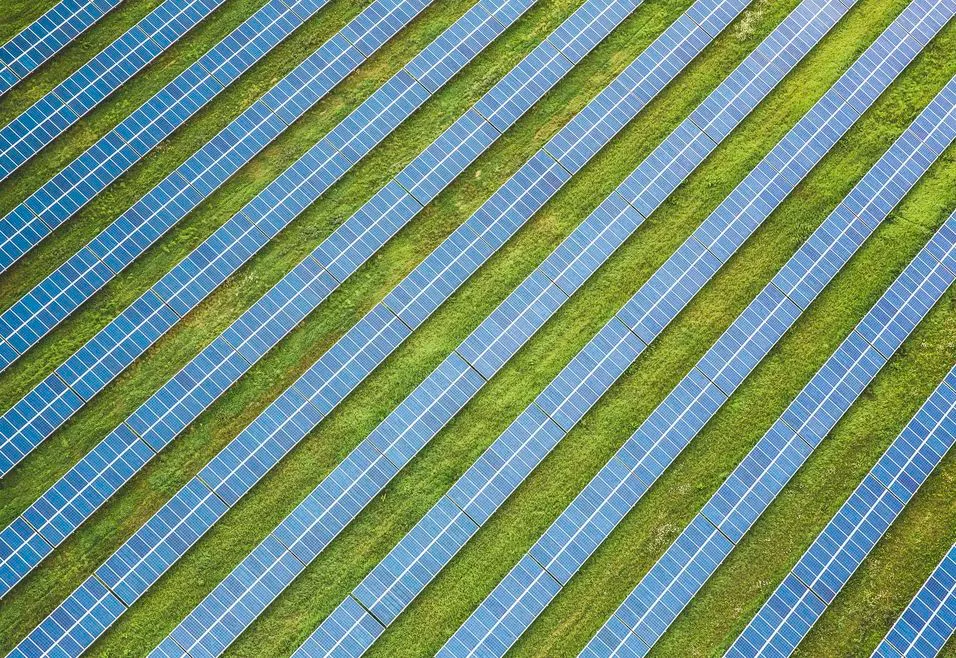
Other technologies producers are deploying in oil and gas emissions reduction include Scope 1 activities to cut internal consumption of power from non-renewable resources. ADNOC once again has led with the use of solar power for its buildings, petrol stations and other facilities. Better monitoring systems and their digitisation also enable more efficient usage of power and faster action when leakages of GHGs occur.
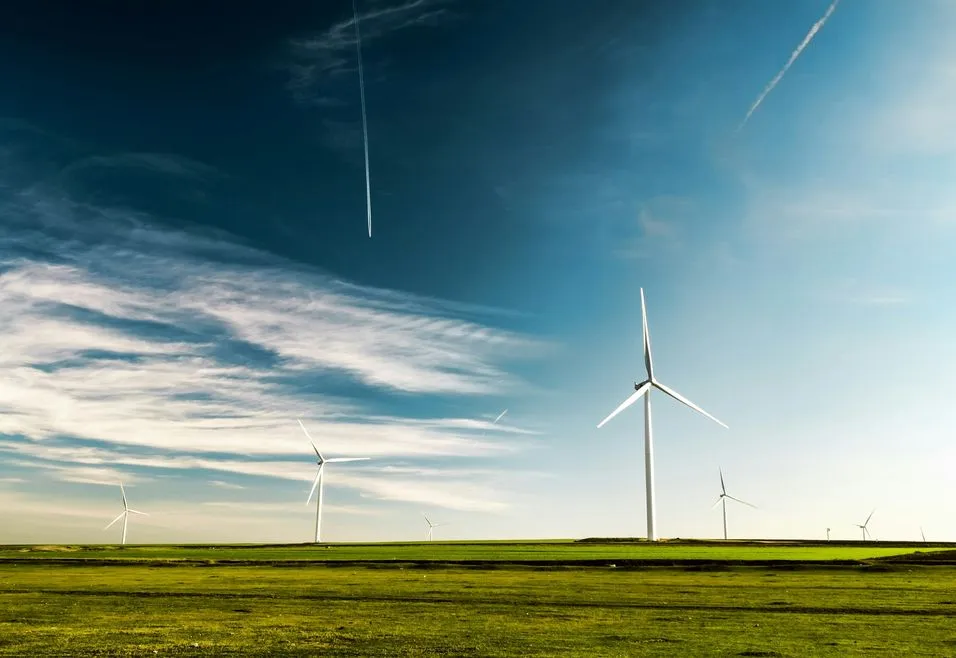
Gallery / Unsplash
Keeping rolling
Technology also helps energy producers meet targets in hard-to-abate parts of their businesses, such as transport.
Electric vehicles (EV)s and hydrogen-powered ships, tankers and even aircraft are some of the innovations helping producers cut their Scope 1 and 2 emissions and make the energy transition.
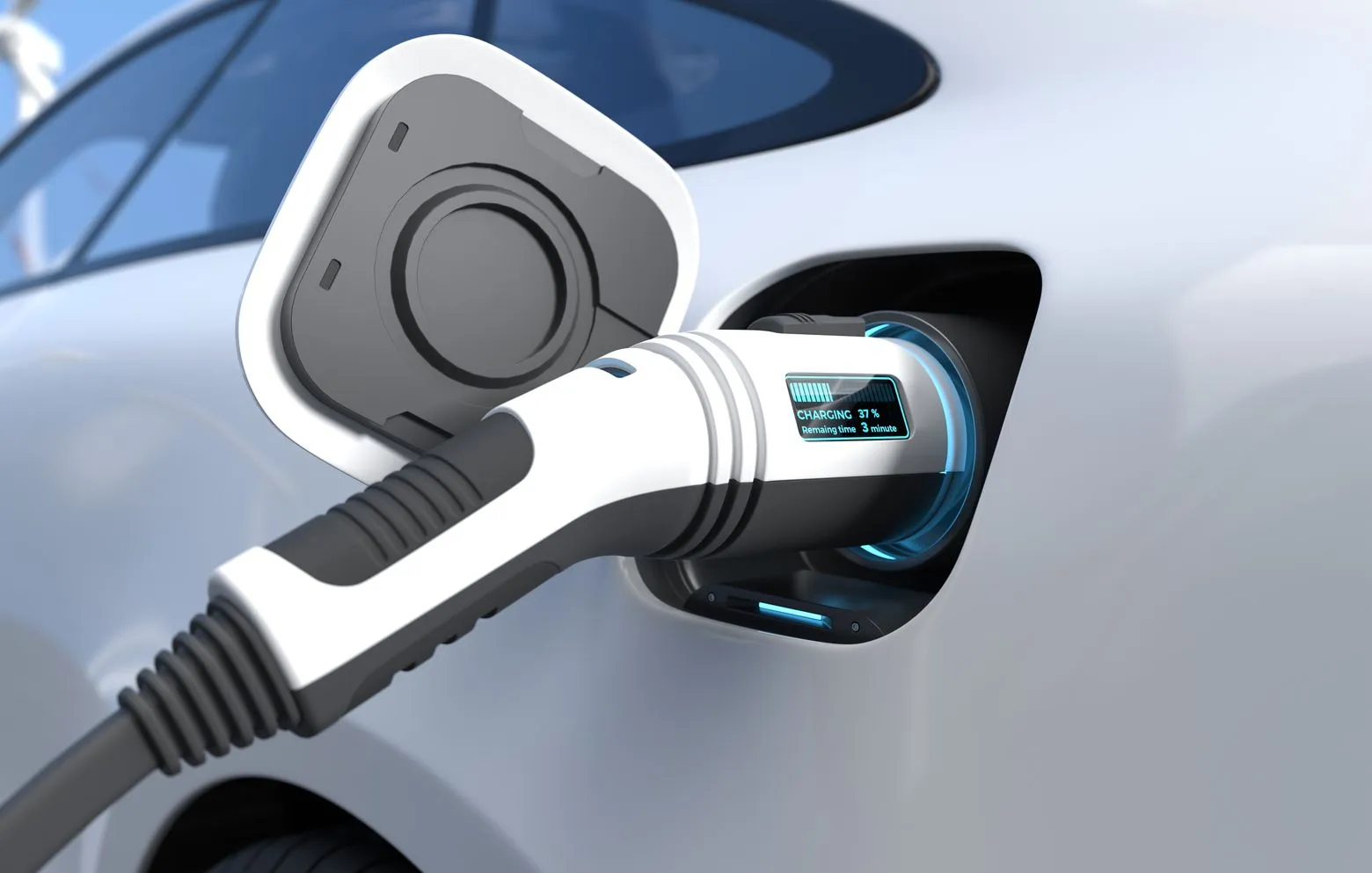
In EVs, innovations such as sodium-ion batteries, a potential alternative to lithium-based energy cells, are one example. At the same time, EV charging stations can benefit from a host of technological advances, with improved microgrids, smart grids or other distributed energy resources able to support demand and supply side management and the roll out of infrastructure to help with EV adoption (see Section 1).
Also connected to transport are some key technological advances in clean hydrogen production.
The UAE is championing this new energy sector with its National Hydrogen Strategy 2050. This targets production of 1.4 Mt of the gas every year by 2031, with 1 Mt of this green hydrogen produced by Masdar and the rest ‘blue’ hydrogen produced using natural gas. A total of five ‘hydrogen hubs’ are now in the planning pipeline.
New tech in hydrogen includes the development of solid oxide electrolysers (SOE) for use in its manufacture. These promise a more efficient mode of hydrogen production and although current SOE applications have higher manufacturing, installation and maintenance costs that more conventional electrolysers, their operating costs are lower, off-setting this expense. Future market penetration is also expected to bolster economies of scale.
Meanwhile, with hydrogen having a comparatively low density, storing and moving the gas is currently a costlier venture than fossil fuel equivalents.
This has led to considerable research and development of technologies aimed at allowing large volumes of hydrogen to be stored and transported internationally. Conversion into ammonia is one possibility, with much work now being done on this. Emirates National Oil Company (ENOC), for example, is partnering with Japan’s IHI Corporation to set up a low-carbon hydrogen and ammonia plant in the UAE.
At the more localised level, hydrogen is already being deployed as a fuel stock for transport. Hydrogen fuel cells can be two or three times more efficient than normal internal combustion engines, while also being emissions-free.
In Dubai, the Emirates National Oil Company (ENOC) is currently cooperating with the Dubai Electricity and Water Authority (DEWA) to support a national hydrogen vehicle system. This involves a feasibility study for green hydrogen refuelling stations for vehicles. This is part of a wider-scale development in, which is providing the gas from its production facility at the Mohammed bin Rashid Al Maktoum Solar Park.
Hybrid solutions
As with projects using renewable energy sources to create green hydrogen innovations and applications, other innovators are looking at combining disparate technologies to provide 24/7 energy solutions.
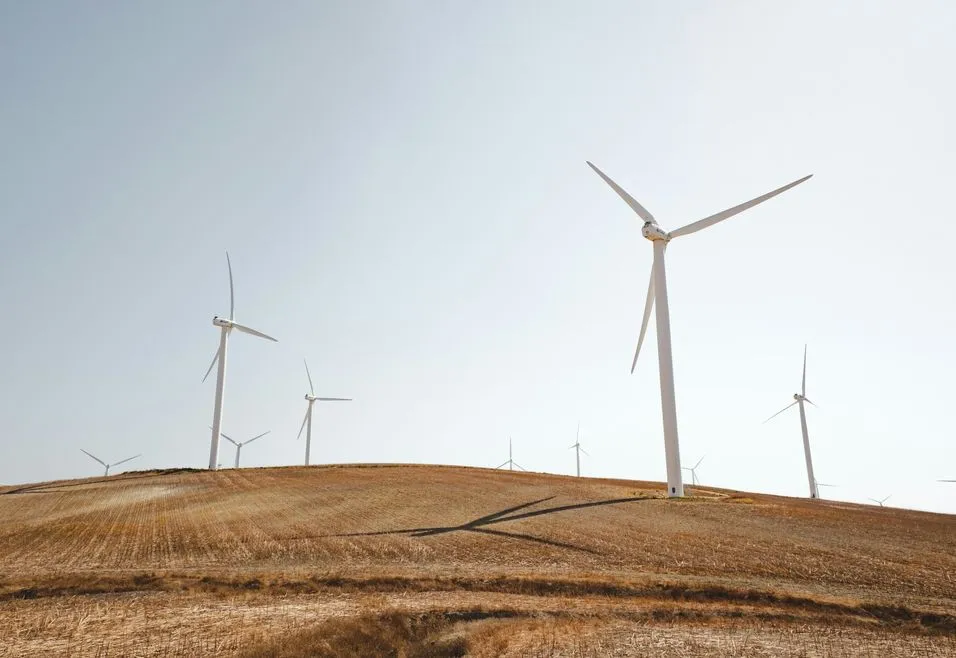
French start-up Unéole has unveiled a mixed solar-wind unit, designed to be installed on flat roofs, with photovoltaic (PV) panels forming a horizontal layer above a series of vertical wind turbines. This solution, cited by the World Economic Fund in its September renewable energy innovation report, can produce up to 40% more power than a stand-alone solar roof covering the same area.
Such hybrid solutions, intended to be deployed in urban, commercial, or industrial settings, could also have the added appeal of allowing private owners and operators to become producers themselves and link into local grids, transitioning from consumers to suppliers (see Section 1).
Steady refinements or variants on existing tech, such as the role out of non-silicon based solar panels, are also expected to drive growth, while lowering production costs and boosting energy conversion efficiency.
Levelised costs, higher returns
The impact of these recent innovations is already apparent in the renewables sector, with an improved levelised cost of electricity (LCOE), the industry’s comparative measure of lifetime costs of energy production. Better, cheaper, and longer lasting technology is reducing installation, maintenance and operating outlays.
This improvement is in turn boosting the return on investment (ROI) in a number of segments, leveraging economies of scale through higher levels of production and implementation. Indeed, from a producer’s point of view, scaling up innovation – supported by state programmes and regulatory frameworks – is vital for a positive ROI, when considering the size of utility and oil and gas businesses.
Natural selection
Not all the emerging clean energy tech of today will make it past the development stage. Indeed, the so-called ‘valley of death’ awaits innovators all along the path to commercial adoption and success.
Yet, the energy sector is already full of technologies from earlier transitions that had to go through a similar process. Oil and gas themselves – resources pioneered in the Arabian peninsula – were once costly and loss-making, yet are now key to the entire global economy. So too, for producers, today’s innovations may one day power their greener, more energy-efficient futures.